Today’s bookmarks…
Wed, 8 Aug 2012
- Pareidolia: A Bizarre Bug of the Human Mind Emerges in Computers
- How text messaging became a humanitarian technology
- The internet as a hive mind
- How Mat Honan had his digital life dissolved by hackers and multiple security flaws
- France has backed away from it’s three strikes downloading law
- John Birmingham on the real cost of Curiosity
- From a NASA contractor: a conceptual video of the Dream Chaser space vehicle
- The ‘spray on’ skin that heals wounds
- The perfectly legal ‘heist’ of $95,000 from a bank
- House cats kill more critters than thought
- Returned to Family: Outlaw Ned Kelly’s Remains, 132 Years After His Death
- Trojan’s PR stunt: hands out 10,000 dildos today from hot dog carts
- From NPR: Dean Norris On Playing Good In ‘Breaking Bad’
- Prometheus (2012) – Calvinball Mythology and the Void of Meaning
- 21 links between unexpectedly shared TV universes
- Tumblr: People Dying Like Marion Cotillard
This also looks interesting: aupcoming HBO documentary called About Face that speaks with former supermodels and talks about plastic surgery and the business of beauty.


 A slideshow by renowned animal photographer Tim Flach with annotations about their body language
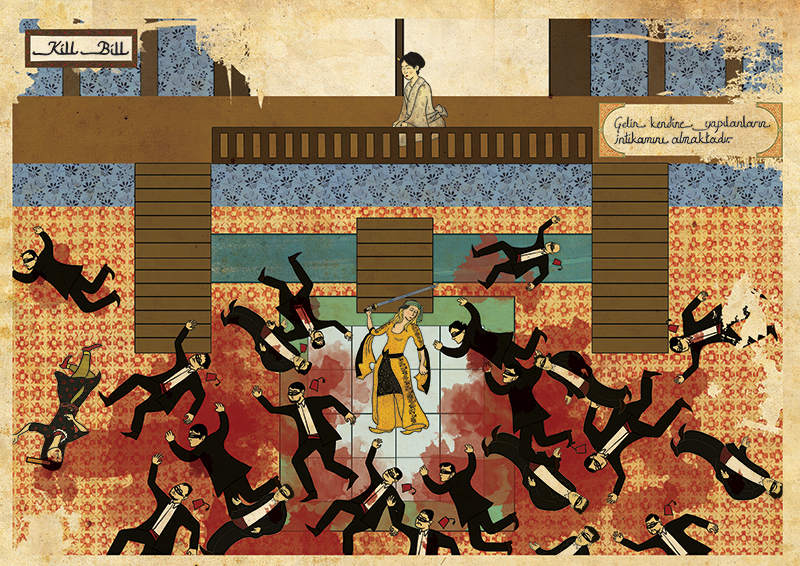 Classic Movies in Miniature Style
 Boy watching solar eclipse… taken from 1.5 miles away
 Merging Oceans photo